2026 Game Industry Analysis: AI, Evolved Player Experience, and a New Era
In 2026, the game industry is in the midst of an unprecedented transformation. Technological evolution is creating new game experiences, and player expectations are more diverse than ever. Generative AI is fundamentally changing development, the Soulslike genre is further deepening, and indie games continue to surprise the market with their creativity. This article analyzes the latest trends driving the 2026 game industry, based on concrete data and titles, to explore the future of entertainment.
2026 Game Industry from a Market Size Perspective
The global game market continues to grow remarkably. According to one survey, the global game market size is projected to reach 407.65 billion USD in 2026. This is a significant increase from 360.43 billion USD in 2025, and it is expected to reach 1.0914 trillion USD by 2034, with a high compound annual growth rate (CAGR) of 13.10%. Another forecast predicts a CAGR of 6.5% from 2026 to 2034, reaching 415.3 billion USD by 2034. This massive market growth is driven by mobile, PC, and console games, but changes are also visible in their composition. The mobile game market is entering a mature phase, shifting from user base expansion to an "efficiency" phase focusing on generating revenue from individual players. Meanwhile, the PC game market is showing double-digit growth, indicating different trends across platforms. The Asia-Pacific region continues to be a crucial leader in the global market, accounting for 46.11% of the market in 2025.
AI Transforming the Forefront of Game Development
When discussing the 2026 game industry, the presence of artificial intelligence (AI) is indispensable. AI is no longer limited to merely controlling NPC behavior; it is beginning to permeate every process of game development. Specifically, its utilization is advancing in areas such as automatically generating 3D environments from text prompts and constructing "living narratives" where stories change in real-time according to player choices. This has freed developers from repetitive tasks, allowing them to focus on more creative design and storytelling. Major game engines like Unreal Engine 5 and Unity are also actively introducing AI-driven workflows, dramatically improving the efficiency of animation and world-building. The application of generative AI also holds the potential to reduce development costs for AAA titles, and its scope of application, such as automated QA (Quality Assurance) testing, continues to expand. However, the prevailing view is that AI is not replacing human developers but rather serving as a tool to support creative decision-making.
Popular Genres Continuing to Deepen and Evolve
Soulslike: The Enduring Frenzy Born from High Difficulty
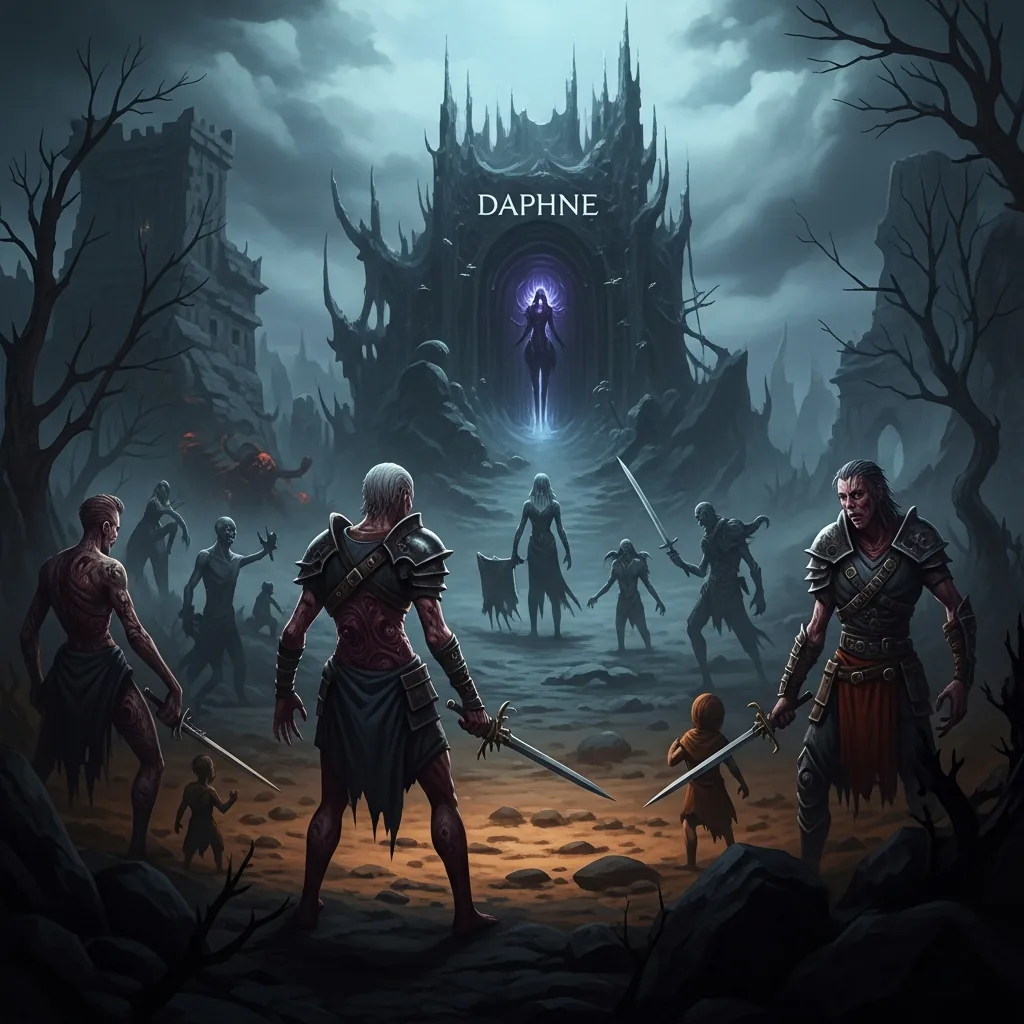
"Soulslike," a genre derived from FromSoftware's 『Demon's Souls』 and 『DARK SOULS』 series, continues to hold significant influence in 2026. Its high difficulty, tense combat centered on stamina management, and the sense of accomplishment from "learning through death" continue to captivate many players. In 2026, highly anticipated new entries in the series, such as 『Nioh 3』 and 『Lords of the Fallen II』 developed with Unreal Engine 5, are slated for release, demonstrating the enduring popularity of this genre. Notably, the release of a Nintendo Switch 2 version for 『Lords of the Fallen II』 has also been announced, allowing for a full-fledged Soulslike experience on handheld devices. The appeal of this genre also lies in the depth of exploring its world-building through fragmented information, and information exchange and empathy within the player community are crucial elements supporting its popularity.
Indie Games: An Explosion of Creativity and New Hit Trends
While AAA titles grow larger and more high-budget, the indie game scene remains vibrant in 2026. Highly anticipated titles include 『Light No Fire』, from the developers of 『No Man's Sky』, and 『Slay the Spire 2』, a sequel to a landmark deck-building roguelike. Also emerging are games that attract attention for their technical challenges, such as 『Unrecord』, a hyper-realistic bodycam FPS that has generated significant buzz. The evolution of development tools enables individuals and small teams to create high-quality games, and unique ideas and sharp game designs not found in major studios are driving the opening of new markets. Games targeting play among friend groups and aiming for dissemination via content creators are also a significant trend, and the fertile ground for the next mega-hit to emerge from the indie scene is well established.
The Future of Games as a Service (GaaS) and Cloud Gaming
"Games as a Service (GaaS)," a business model that generates long-term revenue through continuous updates rather than a one-time game sale, has become mainstream. Platform holders like Sony Interactive Entertainment and Microsoft are also strengthening their investments in live-service games. Closely related to this is cloud gaming. The global cloud gaming market is projected to reach 23.79 billion USD in 2026 and expand at an astonishing CAGR of 26.80% until 2034. The Japanese market is also experiencing rapid growth, expected to reach 1.7109 billion USD in 2034 from 204.8 million USD in 2025. With the spread of 5G communication, high-quality gaming experiences are now possible on various devices such as smartphones and smart TVs, even without owning expensive hardware. This will lead players to shift from "ownership" to "access," and the style of enjoying vast game libraries through subscriptions will become even more widespread.
Summary
The 2026 game industry is entering an exciting phase where multiple major waves intersect: a dramatic improvement in development efficiency due to AI, a craving for deeply immersive experiences typified by Soulslike games, and a transformation of the playing environment brought about by the spread of cloud gaming. The market continues to expand, with creators of all sizes, from major publishers to indie developers, exploring new forms of expression and business models. Players now have access to an unprecedented variety of high-quality entertainment, and their choices will shape the next trends. The game industry, driven by both technology and creativity, will continue to surprise us in the future.